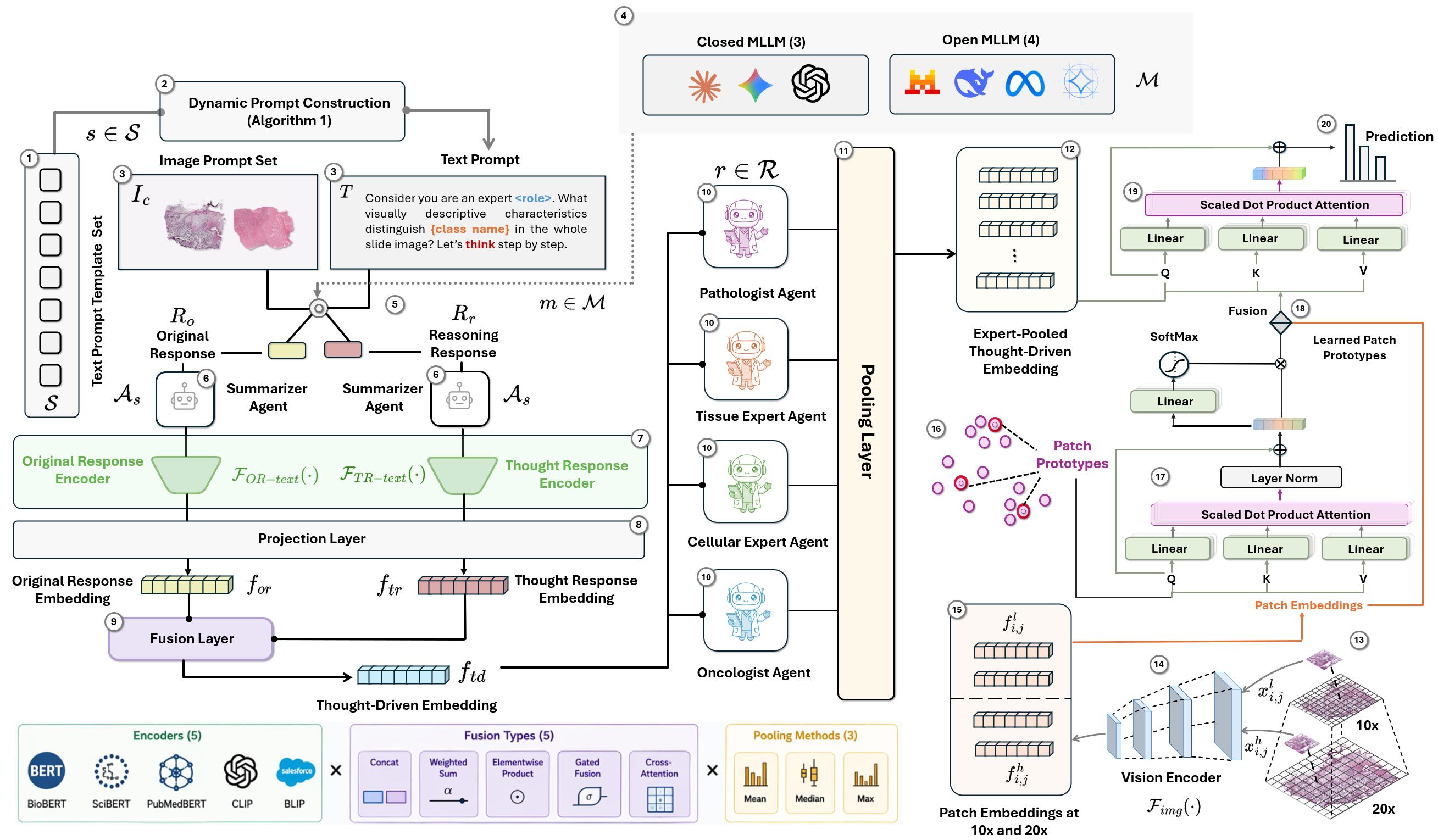
CThoughtPathNet: Expert-Guided Vision–Language Reasoning for Few-Shot Cancer Subtyping in Whole-Slide Pathology
IEEE Transactions on Pattern Analysis and Machine Intelligence (TPAMI)Under review

Graduate student · Computer Science
Marquette University
Milwaukee, Wisconsin
A little about me
I’m a graduate student in the Computer Science department at Marquette University, working at the intersection of machine learning, computational pathology, and model interpretability.
My interests include foundation models, unsupervised pre-training, generative AI, large language models, and adversarial attacks. I’m drawn to the question of what models learn—and how we can make sense of it.
Previously, I was a lecturer in the Electrical, Electronic, and Communication Engineering department at MIST. Teaching continues to shape how I approach research: work through the details, connect the ideas, and share what I learn.
Current chapter
Marquette University
Research focus
Foundation models · Computational pathology
I study vision and foundation models in computational pathology. My research explores how we can interpret their predictions, understand their vulnerabilities, and learn from complex data.
Inside my researchPapers on complex data, the models that learn from it, and what their predictions reveal.
IEEE Transactions on Pattern Analysis and Machine Intelligence (TPAMI)Under review
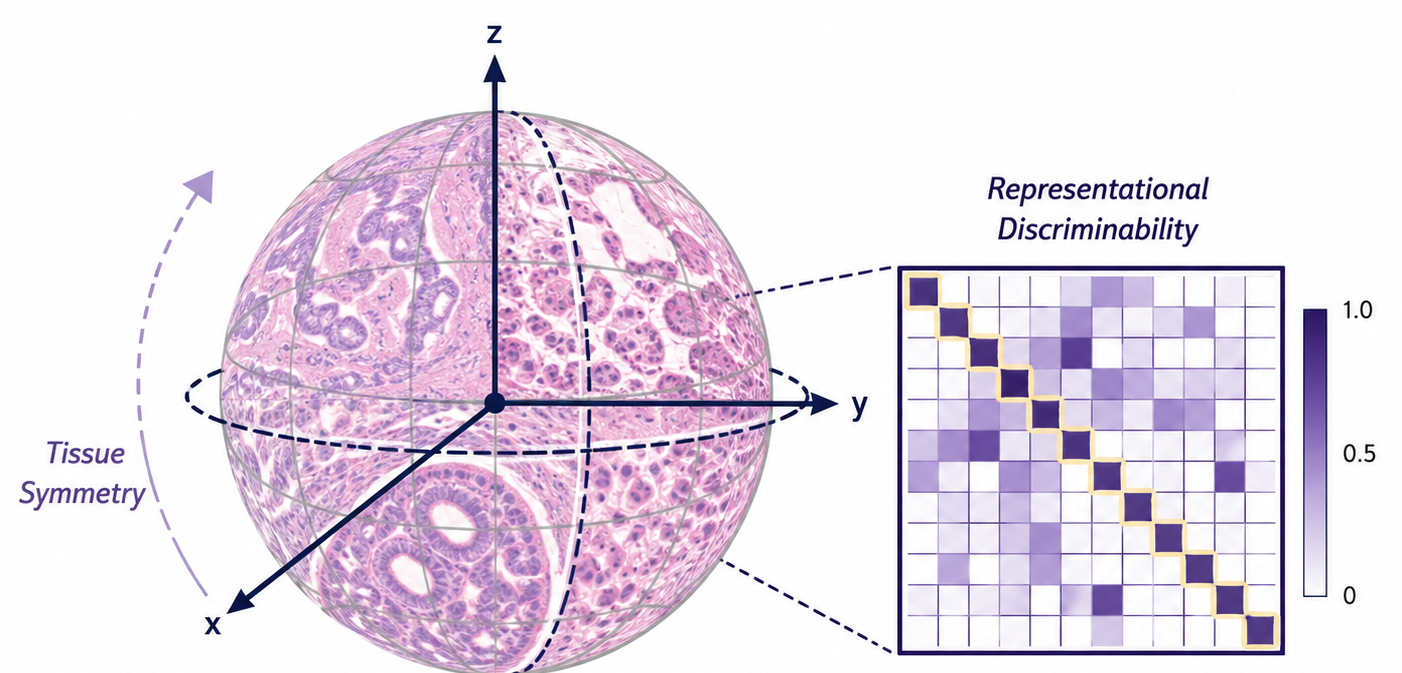
IEEE International Conference on Big Data (IEEE BigData)Accepted

IEEE/CVF Winter Conference on Applications of Computer Vision (WACV)Accepted
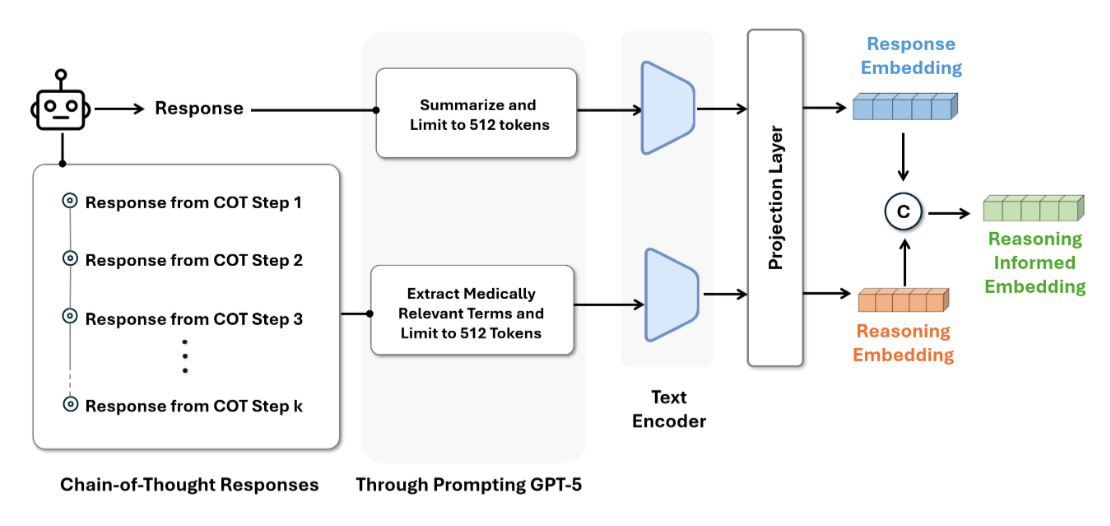
Proceedings of the IEEE International Conference on Acoustics, Speech and Signal Processing (ICASSP)
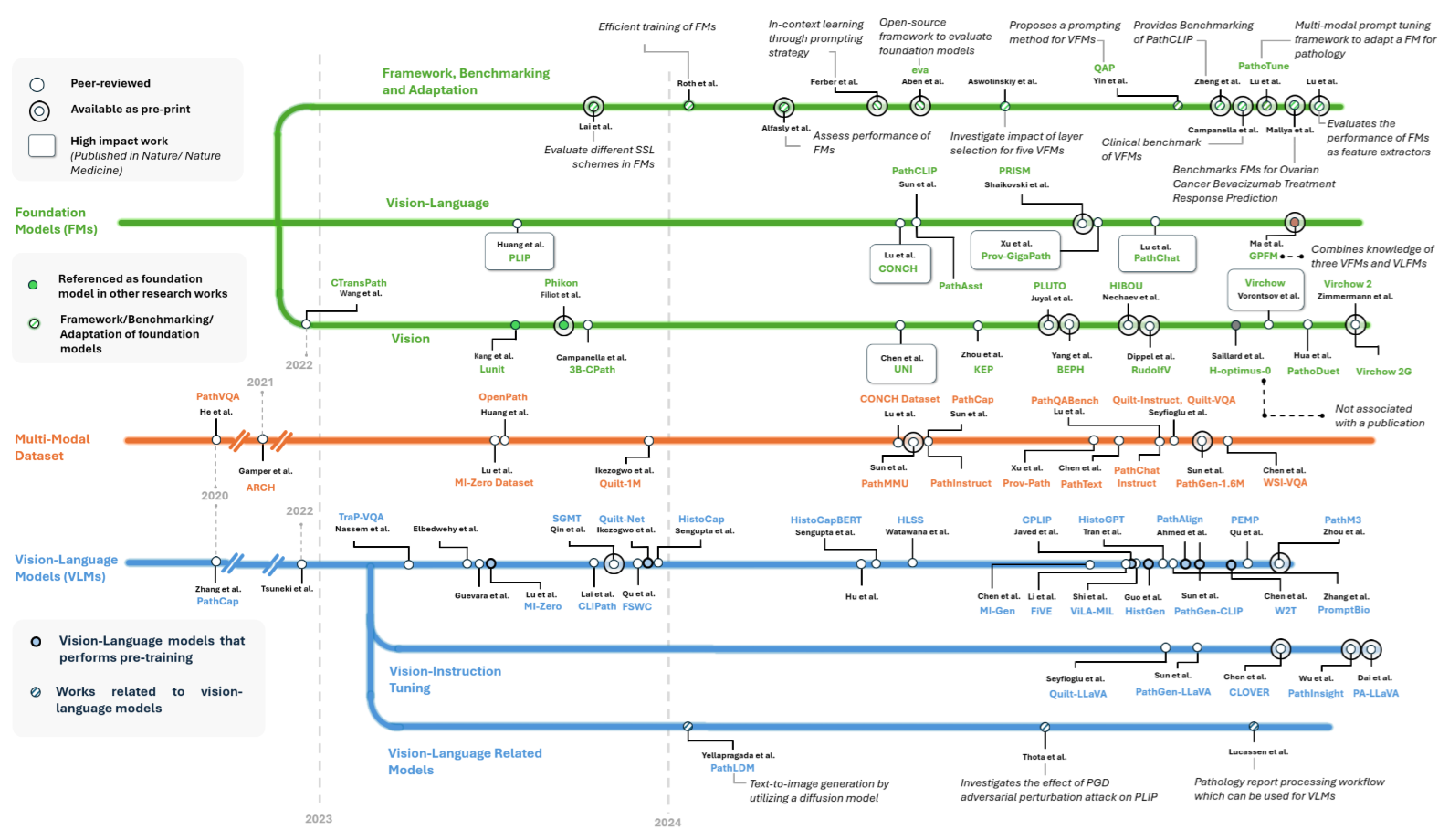
Journal of Pathology Informatics
Knowledge-Based Systems
Along the way
MOSAIC accepted to WACV 2027 MOSAIC: Towards a Universal Latent Space for Computational Pathology Foundation Models
INVEX accepted to IEEE BigData 2026 INVEX: Label-Free Pathology Foundation Model Ranking via Invariance and Expressiveness
MERI-VL-MIL at ICASSP 2026 MERI-VL-MIL: Multi-Expert Reasoning-Informed Vision-Language Multi-Instance Learning for Few-Shot Cancer Subtyping
Survey published in Journal of Pathology Informatics A New Era in Computational Pathology: A Survey on Foundation and Vision-Language Models
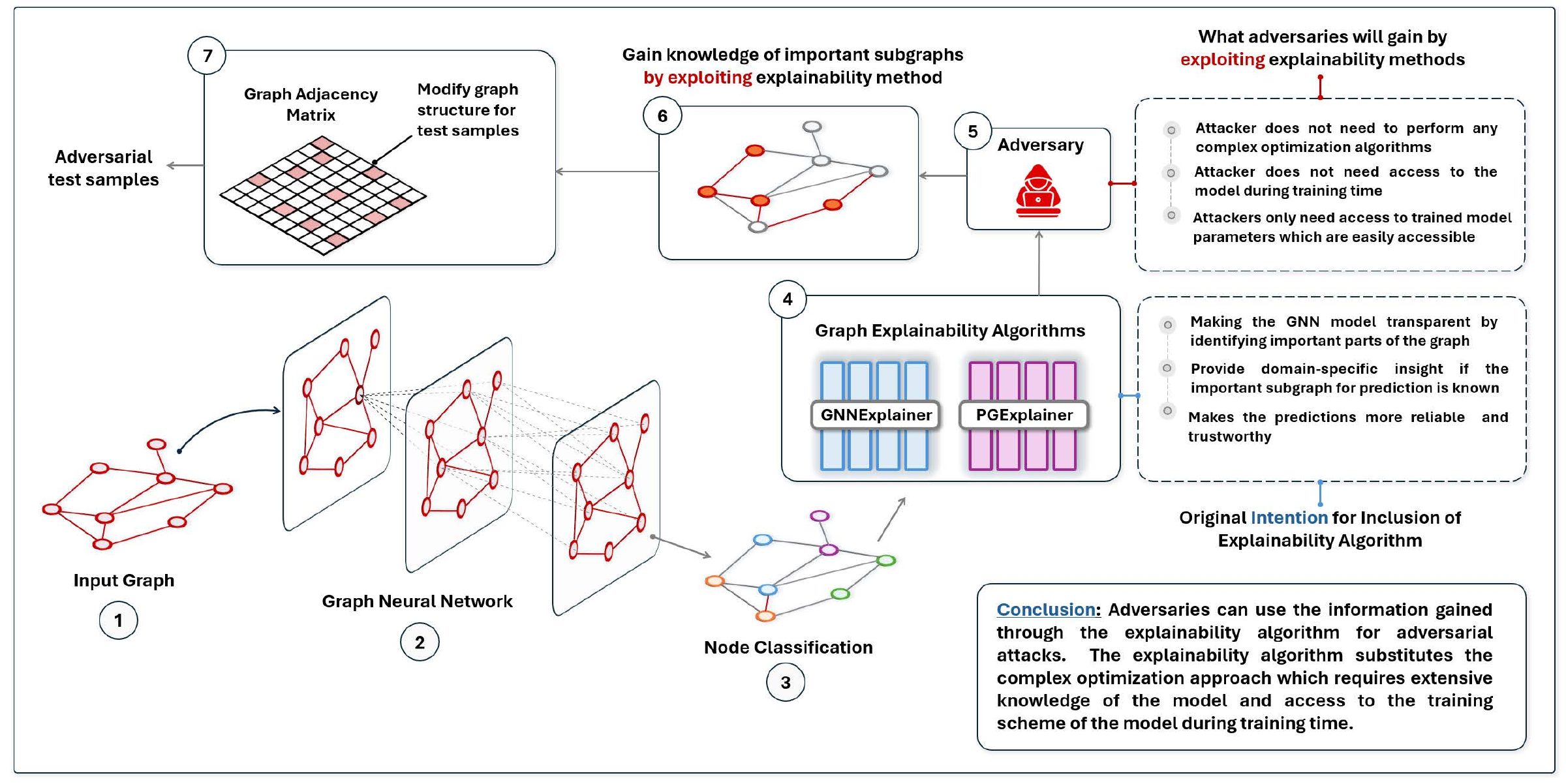
Paper accepted to Knowledge-Based SystemsExplainability-Based Adversarial Attack on Graphs Through Edge Perturbation.
Paper accepted to IEEE Transactions on Power SystemsA Heterogeneous Graph-Based Multi-Task Learning for Fault Event Diagnosis in Smart Grid.
Paper accepted to IEEE GLOBECOM 2024A Graph Motif Adversarial Attack for Fault Detection in Power Distribution Systems.
First journal paper acceptedDCENSnet accepted to Biomedical Signal Processing and Control.
Paper accepted to MLSP 2023Graph-Based Multi-Task Learning for Fault Detection in Smart Grid.
Started graduate studies at Marquette UniversityBeginning a new chapter in computer science research.