MSSC 5650
Theory of Optimization
Course details
Intermediate and advanced topics in unconstrained optimization. This course inspired my notes on the mathematical foundations of convex optimization.
Master’s in Data Science
MSSC 5650
Intermediate and advanced topics in unconstrained optimization. This course inspired my notes on the mathematical foundations of convex optimization.
COSC 6330
A mathematically rigorous study of machine learning, including Mercer’s theorem and reproducing kernel Hilbert spaces for understanding support vector machines. My course project was later published at MLSP 2023.
MSSC 6040
A deeper understanding of linear algebra that inspired me to create a dedicated blog for my lecture notes.
MSSC 5790
An introduction to Bayesian statistics that helped me expand my reference notes with advanced probability distributions.
COSC 6520
An introduction to R programming alongside statistical machine learning topics.
MSSC 6250
My final project explored “Explainability of Machine Learning Models using Co-operative Game Theory.”
COSC 6820
My final project examined “Generative AI: Ethical Challenges and Prevention Strategies with Watermarking and Traceability.”
COSC 5500
I built Tableau dashboards visualizing crime data and Airbnb listings in Chicago. For my final project, I developed an R Shiny app that helps Airbnb guests explore nearby crime rates, with filters for time ranges and crime categories.
COSC 5610
Decision trees, Naive Bayes, KNN, regression, K-means clustering, DBSCAN, hierarchical clustering, support vector machines, and association rules.
COSC 6570
Relational data stores, codebooks, schema diagrams, NoSQL graph, key-value, document, and wide-column stores, and MapReduce. My final project proposed a scalable national cancer-genomic database integrating these concepts.
COSC 6510
Foundations of business and data intelligence, including decision support systems; descriptive, predictive, and prescriptive analytics; data types; and measurement scales.
COSC 6060
Advanced distributed and cloud computing concepts: system architectures, process management, communication mechanisms, fault tolerance, security, and consistency models.
COSC 5931
Fundamentals of large language models, including transformer architectures, tokenization, pre-training, fine-tuning, and prompting. Retrieval-augmented generation (RAG) connects models with external knowledge through document retrieval and context construction. Agentic workflows combine reasoning, planning, and tool use to carry out multi-step tasks.
Independent learning
My undergraduate background is in Electrical, Electronic, and Communication Engineering. Without formal undergraduate exposure to deep learning, machine learning, or data science, I began teaching myself through Coursera. These are the certifications I completed along the way.
Foundations in neural networks, deep learning, and building effective models.
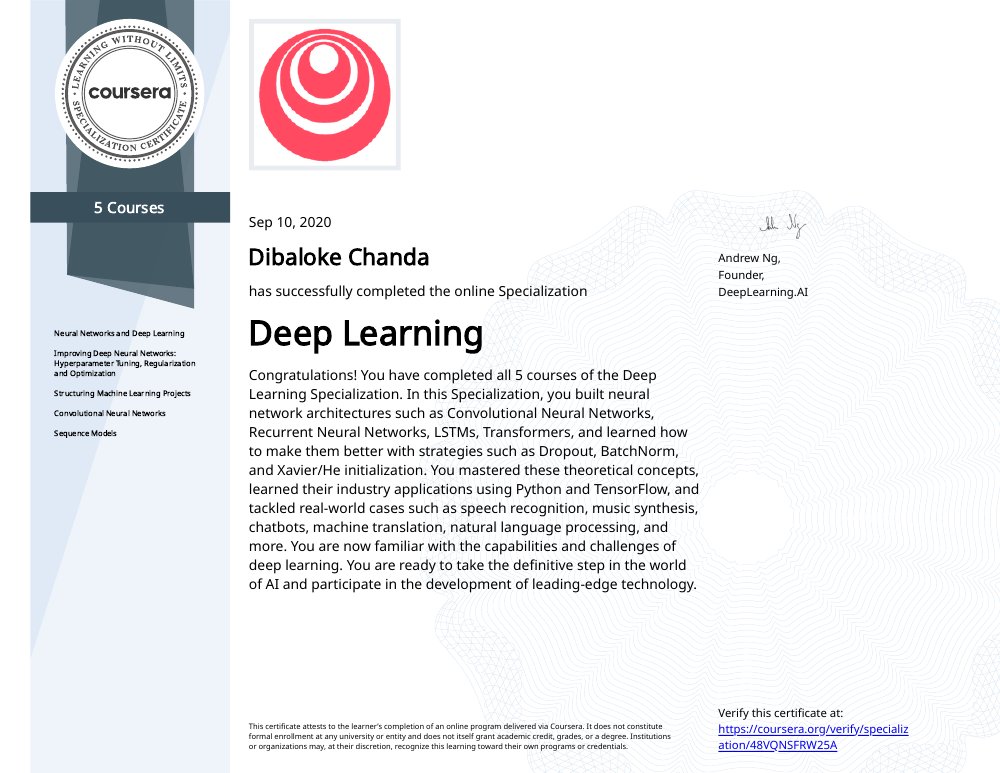
Neural networks, optimization, convolutional networks, and sequence models.
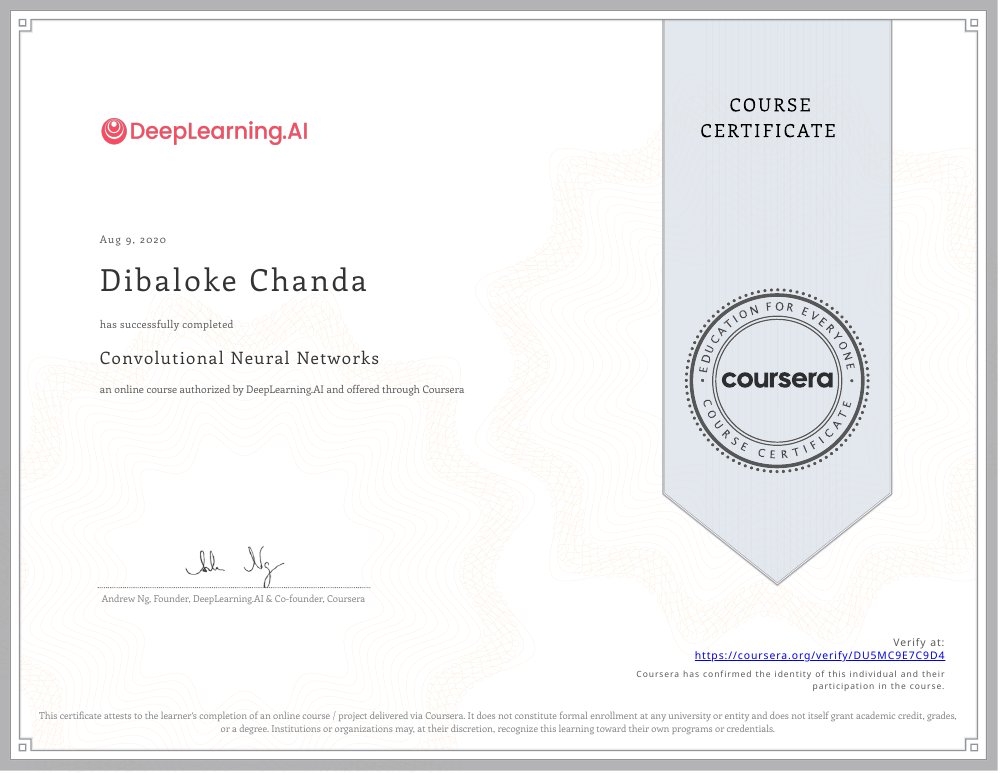
Convolutional architectures and deep learning for computer vision.
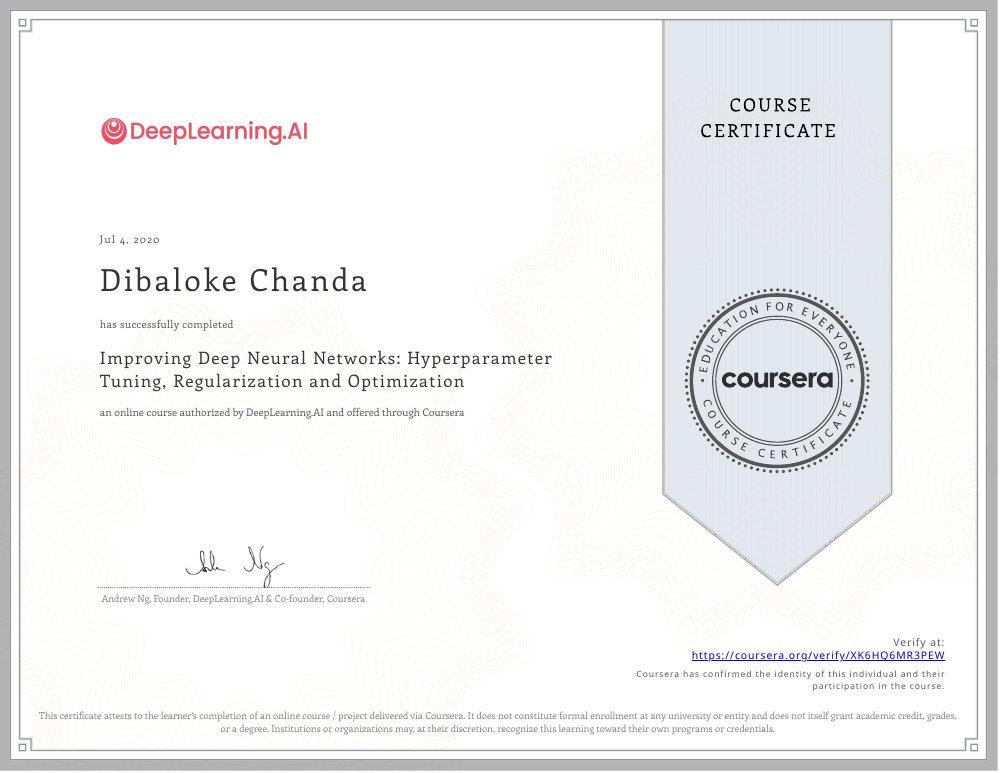
Hyperparameter tuning, regularization, and optimization of neural networks.
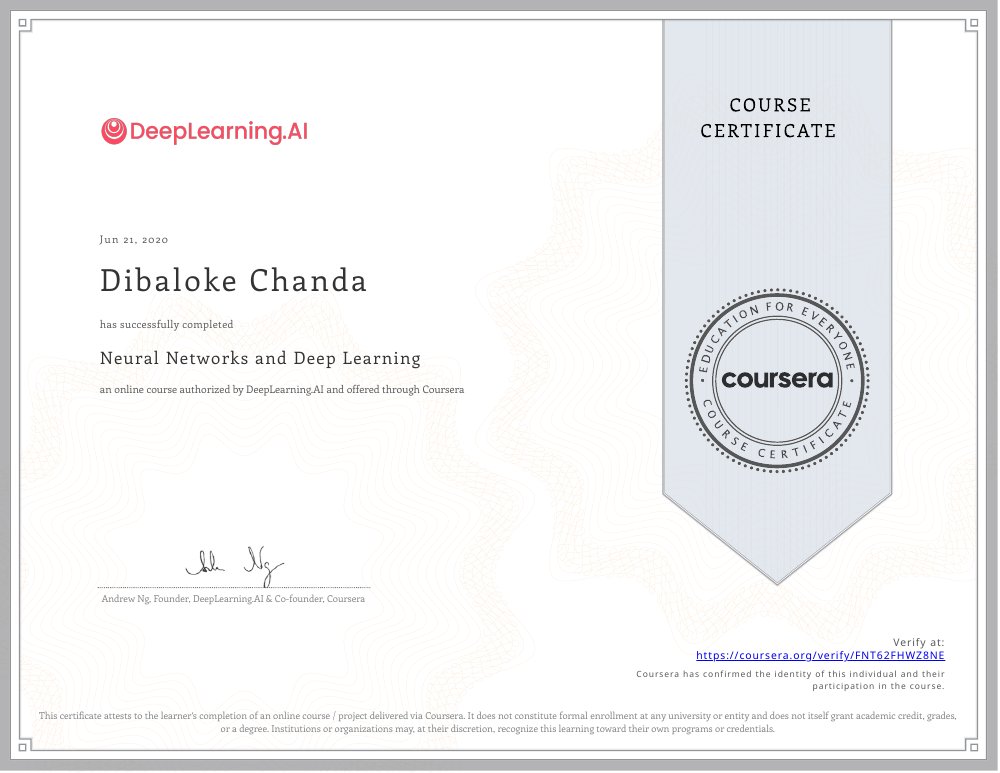
Neural network foundations, forward propagation, and backpropagation.
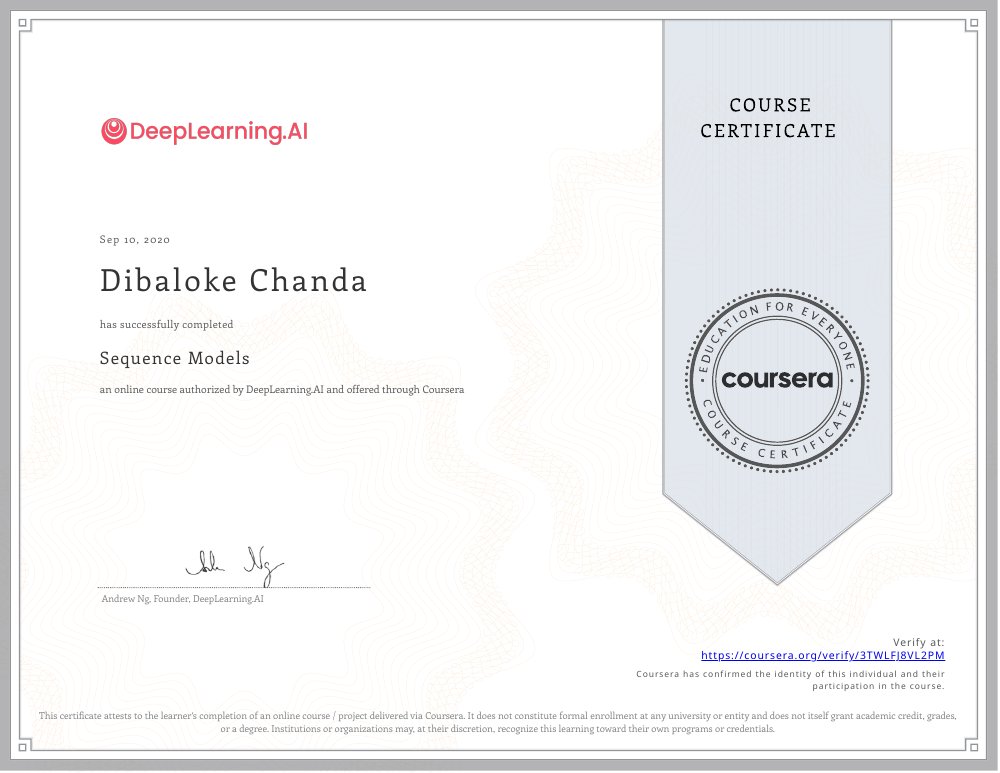
Recurrent neural networks and models for sequential data.
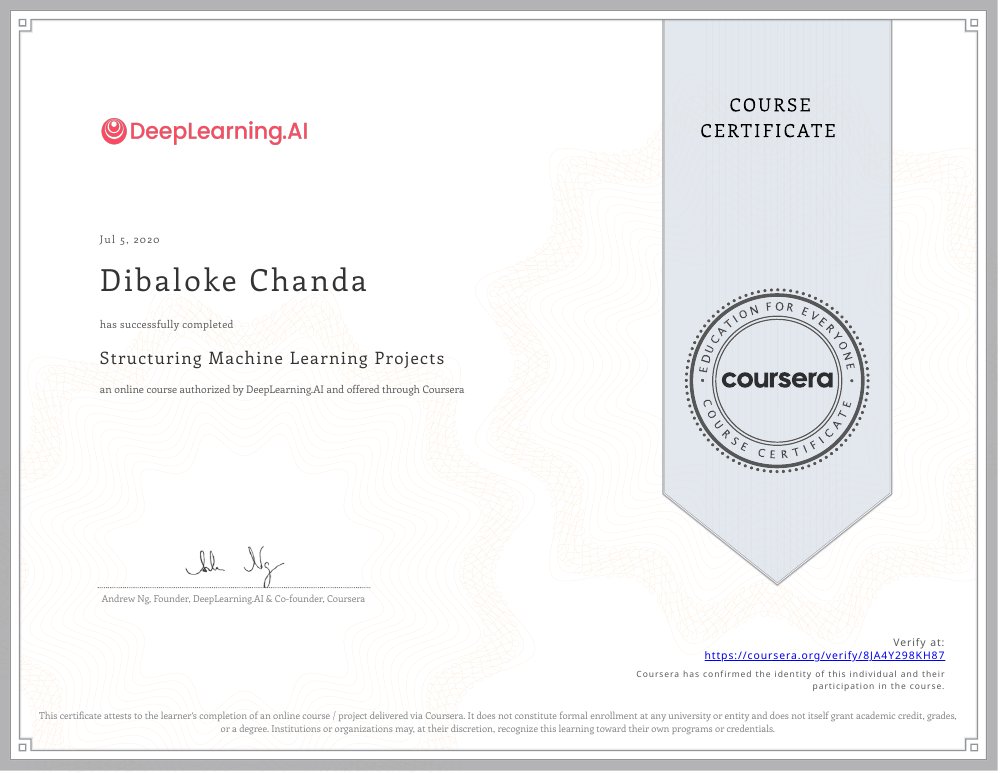
Error analysis, evaluation strategies, and practical machine learning decisions.
Mathematical foundations, data visualization, and statistical analysis.
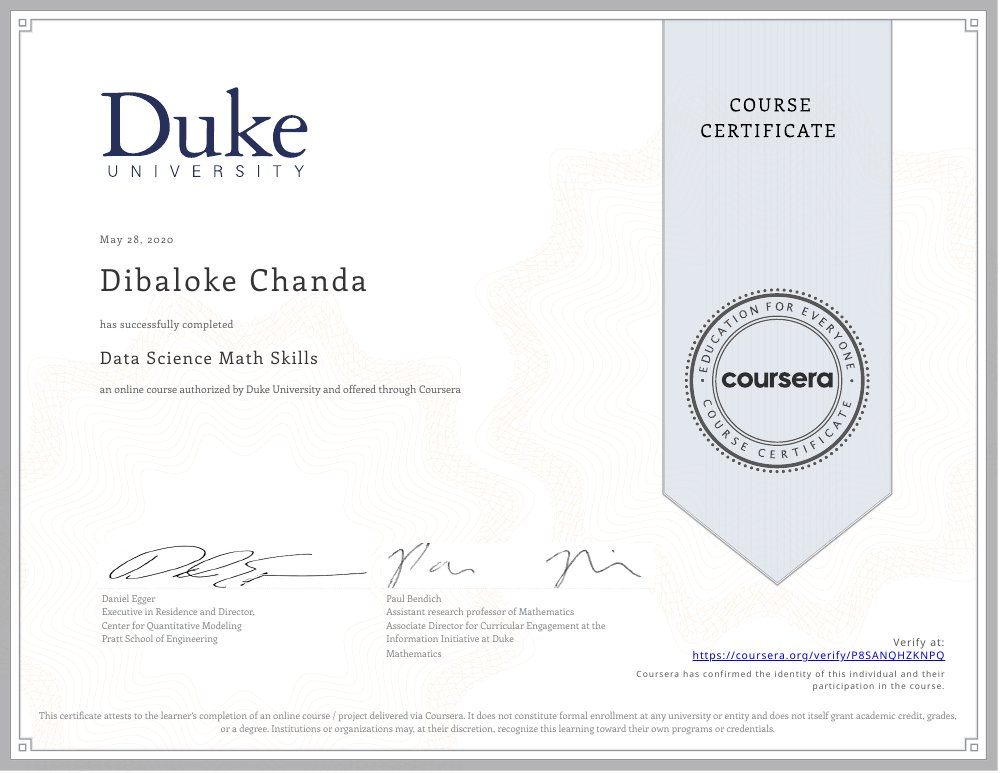
Mathematical foundations for data science and statistical reasoning.
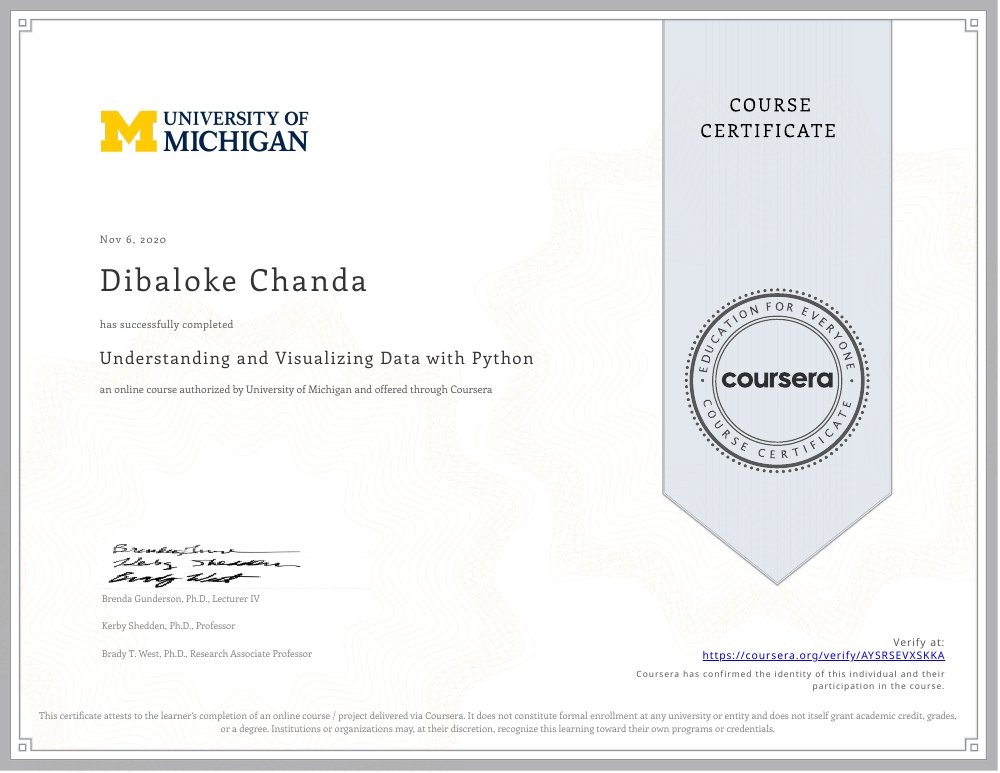
Exploring data, visualizing distributions, and interpreting statistical summaries with Python.
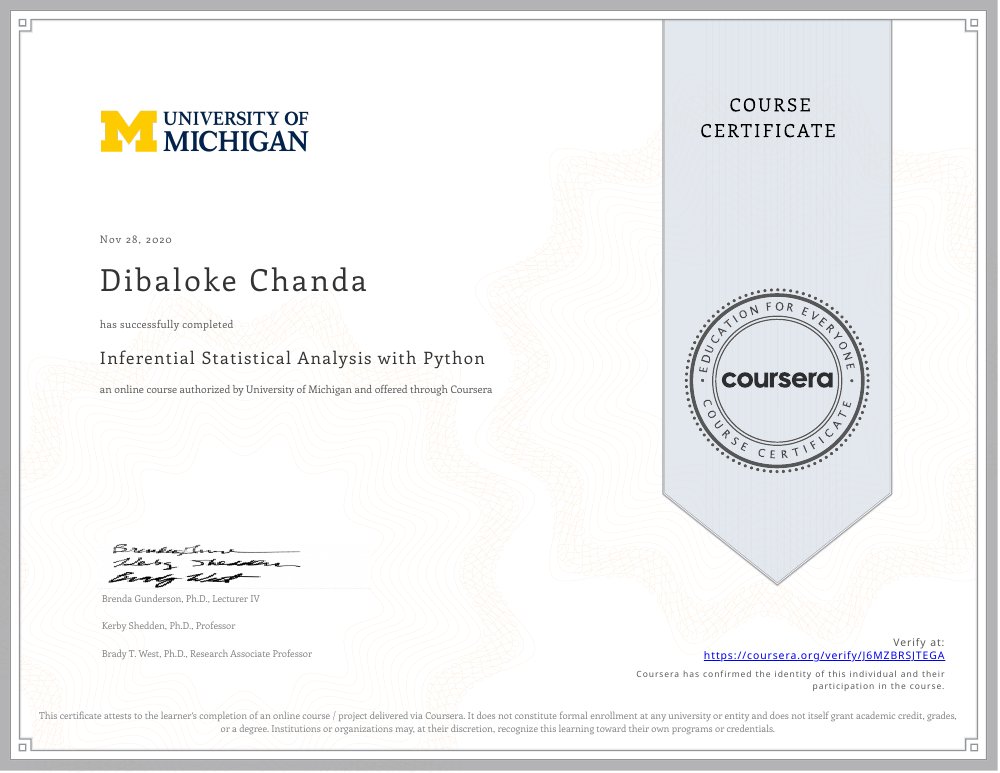
Statistical inference, confidence intervals, and hypothesis testing with Python.
Visual understanding and managing machine learning projects.
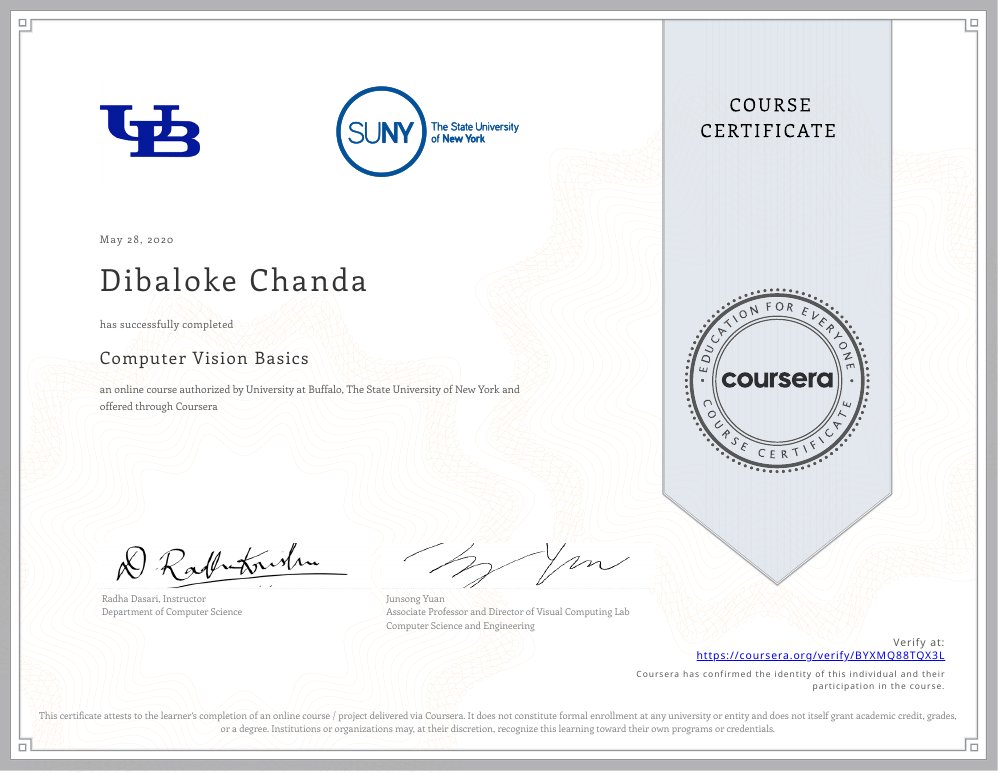
Image formation, visual features, and foundations of computer vision.
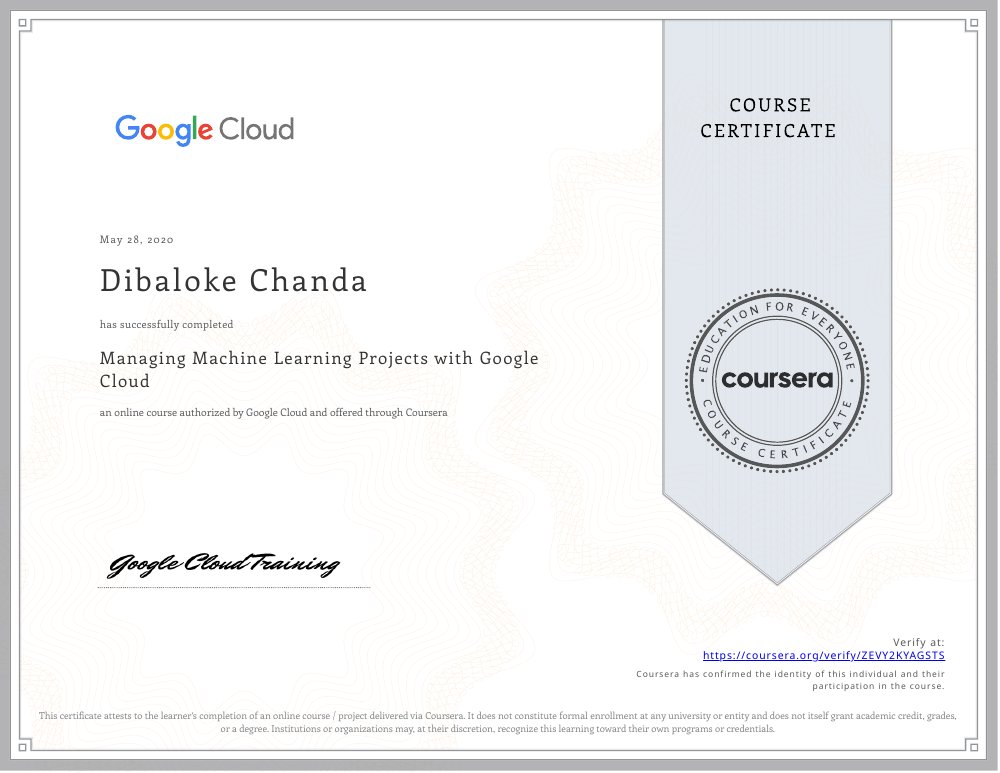
Planning, organizing, and managing machine learning projects.